
Blog
Pneumatic Actuator: Working Principle and Installation


Pneumatic actuators are widely preferred components in industrial automation systems. These devices convert compressed air into mechanical motion, enabling the control of valves and other equipment. They are frequently used in production facilities due to their high energy efficiency. Pneumatic actuators offer fast response times and low maintenance costs in industrial processes. They also stand out for their long-lasting operational performance. For more technical information, you can visit the “What is a Pneumatic Actuator” page.
Key Features of Pneumatic Actuators
Pneumatic actuators operate with high-pressure air and offer precise control. They are used as a reliable solution on production lines. Their fast open-close feature significantly increases process efficiency. With a wide operating temperature range, they can be used seamlessly in various industrial fields. Thanks to their compact design, they can be easily installed in tight spaces. Additionally, their lightweight body ensures portability. For detailed technical specifications, the pneumatic actuator installation guide can be consulted.
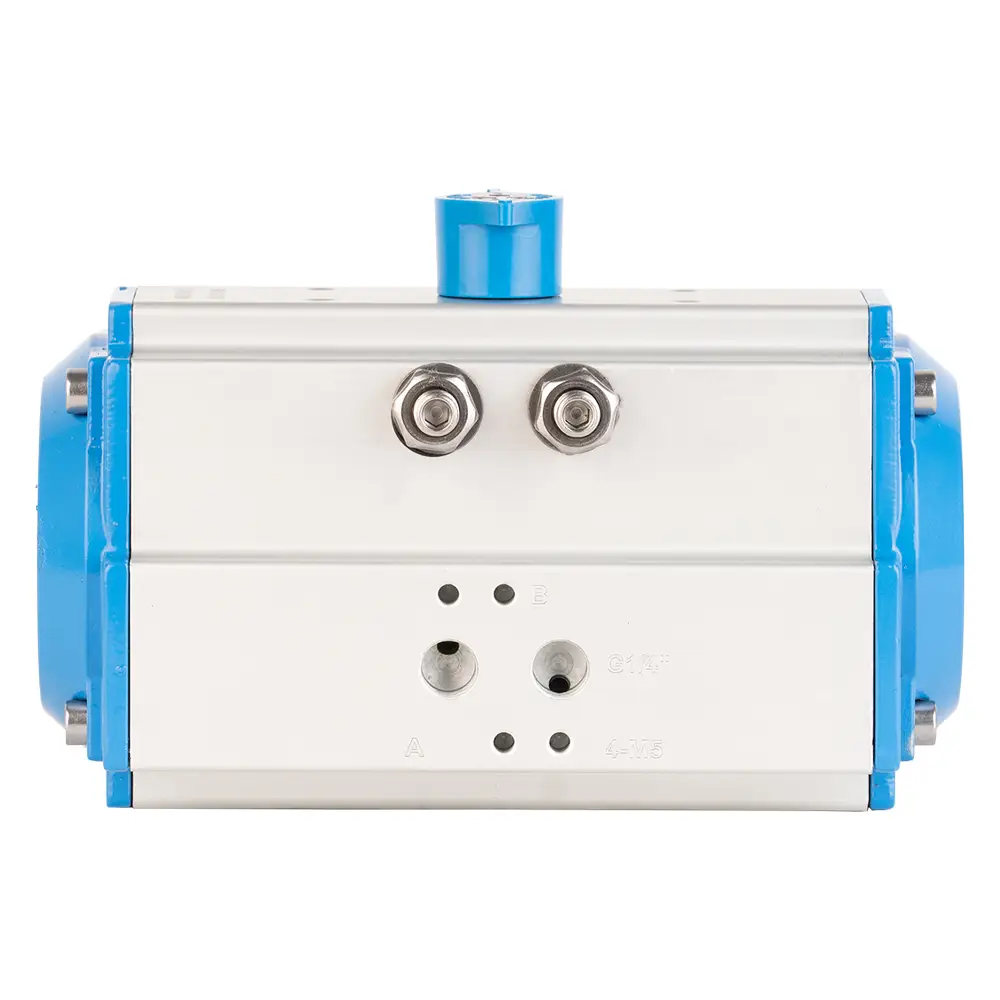
Operating System of Pneumatic Actuated Valves
Pneumatic actuated valves actuate the mechanism under the influence of compressed air. Thus, the direction or flow rate of the fluid is controlled quickly. These systems save energy and maintenance time is short. Moreover, it eliminates the need for manual control. It is preferred for the management of both liquid and gas flow in industry. Therefore, understanding
Installation and Connection of Pneumatic Actuators
The installation of pneumatic actuators must be done correctly for the device to operate efficiently. Following the manufacturer’s instructions during installation is of great importance. Improper installation can lead to reduced performance and malfunctions. Therefore, installation procedures are carried out by qualified personnel. Connection types vary depending on the type of valve used and the system requirements. There are different pneumatic actuator connection types, and system specifications are considered when making a selection. Additionally, those who want to learn about the installation steps can refer to the “Pneumatic Actuator Installation Steps” page for more information.

Çalışma Prensibi ve Endüstride Kullanım Alanları
The working principle of pneumatic actuators is simple yet effective. Compressed air is delivered to the actuator body, generating piston movement. This movement opens or closes the valve or connected equipment. Their fast response time prevents time loss in production processes. They have wide applications in industries such as food, chemical, energy, and automotive. Additionally, they provide safe solutions suitable for explosive environments. Those who want more detailed information can refer to the “Pneumatic Actuator Working Principle” article.
Key Considerations When Selecting a Pneumatic Actuator
The correct selection of a pneumatic actuator directly affects system performance. First, the pressure and temperature conditions of the operating environment should be considered. Next, the valve type and fluid characteristics must be analyzed. Incorrect selection can increase both costs and maintenance frequency. Therefore, seeking expert support is recommended. For detailed information and professional assistance, the contact page can be used. Additionally, technical documents and the product catalog are available on the main website.