Blog
What is Actuated Valve?

What is Actuated Valve? Detailed Guide, Operating Principle, and Applications
Actuated valves, which are at the heart of industrial automation systems, are used to control fluids precisely, reliably, and quickly. These valves, integrated into automation systems when manual control is insufficient, optimize operational processes, especially in large and complex facilities. So, what is an actuated valve, how does it work, and why should it be preferred? In this article, we will examine all the details.

What is Actuated Valve?
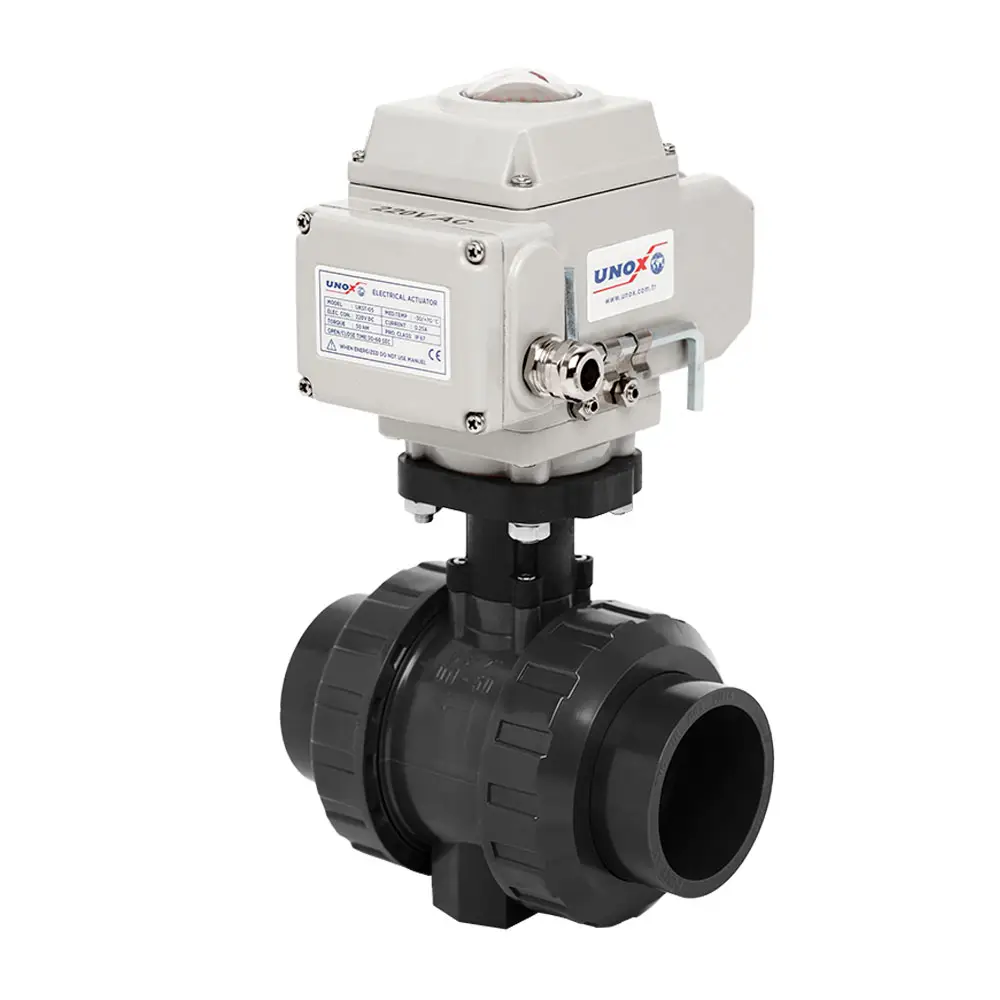
An actuated valve is a valve controlled with the help of an actuator. When the actuator receives a command signal, it generates mechanical movement to open, close, or position the valve at a specific level. This system allows processes to be managed automatically.
Actuated valves are used to direct, shut off, or regulate the flow of both liquid and gas fluids. They can be powered by electric, pneumatic (air), or hydraulic energy.
How Does an Actuated Valve Work?
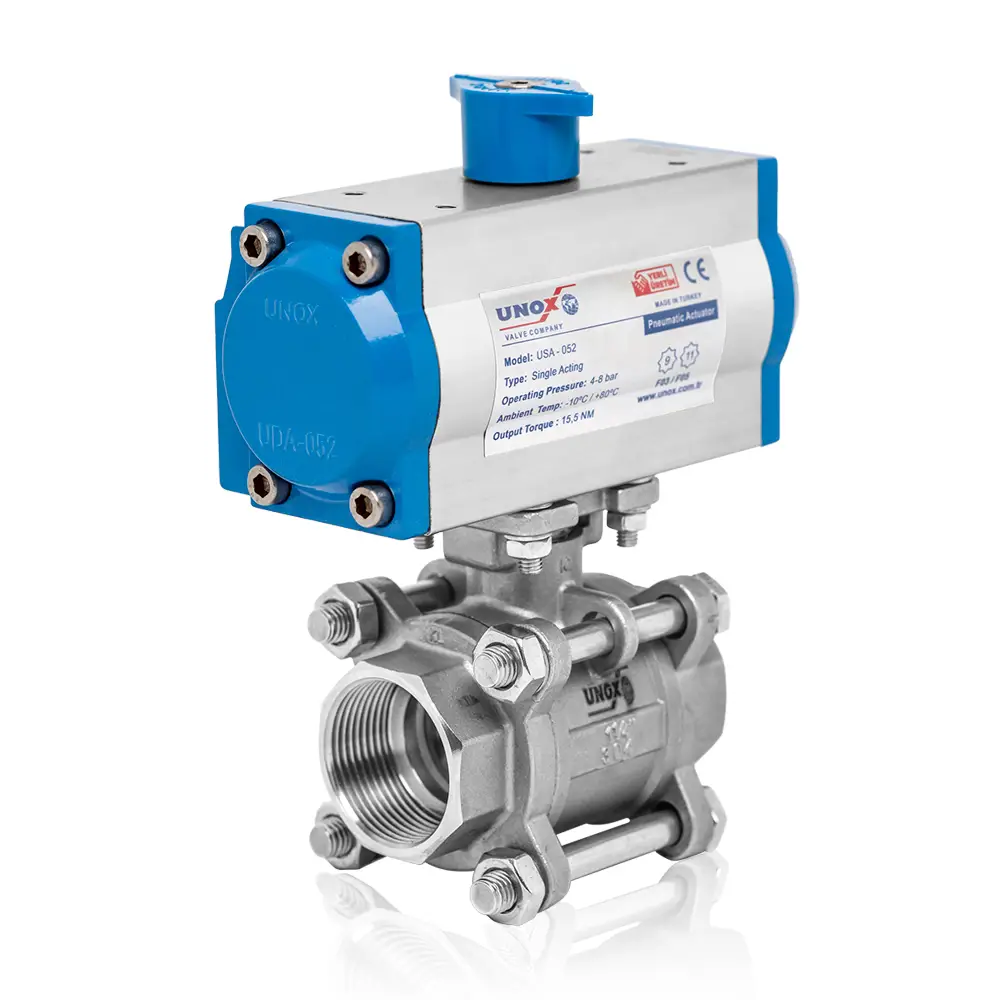
An actuator applies a specific movement to the valve based on the signal received from the control system. This movement can be linear or rotary. The actuator is connected to a control valve to achieve the desired flow conditions. Sensors and automation devices in the system continuously monitor and optimize the valve’s opening and closing positions.
Example: An electric actuator operating with a 4-20mA signal can be positioned to be fully closed at 4 mA and fully open at 20 mA. This provides proportional control.
Components of Actuated Valves
An actuated valve system consists of the following basic components:
- Valve Body: The structural part through which the fluid flows
- Actuator: The power unit that provides mechanical movement
- Control Unit: Interprets signals coming from a PLC or DCS system
- Control Unit: Interprets signals coming from a PLC or DCS system
- Feedback Unit: Monitors the current position of the valve
Actuator Types
1. Electric Actuators
Actuators powered by electricity offer low maintenance requirements and precise positioning advantages. They are especially used in power plants, water treatment facilities, and HVAC systems.
2. Pneumatic Actuators
These actuators, powered by compressed air, are preferred in environments with explosion risks. Thanks to their fast response times, they are widely used in the food, chemical, and automotive industries.
3. Proportional Actuators
These systems, operating with a 4-20mA or 0-10V signal, allow the valve to open and close gradually. They are used in any application where flow control is required.
4. Ex-Proof Actuators
These actuators, with flame-proof housings, are ATEX certified and can be safely used in hazardous areas.
5. Multi-Turn Actuators
Used in systems where fully opening or closing the valve takes a long time. They are generally preferred for large-diameter pipelines.
Applications of Actuated Valves
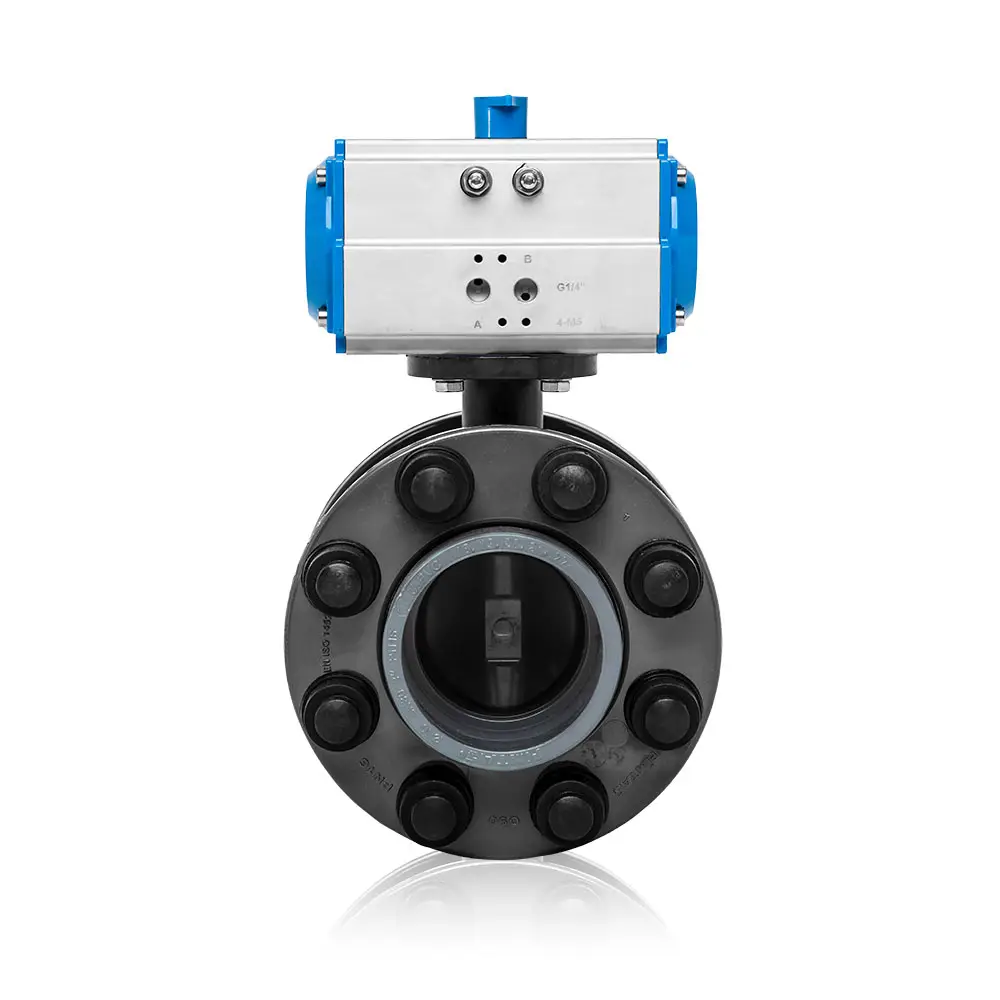
Actuated valves are used across a wide range of industries:
- Oil and Gas: Control of high-pressure fluids
- Pharmaceuticals and Biotechnology: Hygienic and sterile production lines
- Food and Beverage: Automatic valve control in CIP systems
- Chemical Industry: Safe control of corrosive fluids
- HVAC Systems: Energy optimization in heating and cooling systems
- Water and Wastewater Treatment: Automatic flow direction control
What Are the Advantages?
The benefits provided by actuated valves are as follows:
- Remote Control: System management without manual intervention
- Precise Flow Control: Enhances process stability
- Energy Savings: Prevents unnecessary flow and leaks
- Safety: Eliminates the need for human intervention in explosion-prone areas
- Long Life and Low Maintenance: Especially in electric systems
What are the Selection Criteria?
When selecting an actuated valve, the following criteria should be considered:
Type and chemical composition of the fluid
System pressure and temperature
Valve size and connection type (flanged, threaded, etc.)
Desired response time (in ms/s)
Compatible signal type (4-20mA, digital, etc.)
Safety class of the environment (ATEX, IP68, etc.)
Unox.com.tr Product Solutions
The Unox brand offers high-quality and certified actuated valve products in industrial automation solutions. You can explore the following product groups:
120° Rotary Pneumatic Actuator
30 Nm Electric Actuators
Double-Acting Pneumatic Actuator
4-20mA Proportional Electric Actuator
Multi-Turn Electric Actuator
Detailed technical documents and dimension tables are available on each product page.
Frequently Asked Questions (FAQ)
How is actuated valve maintenance performed?
Typically, the actuator’s connection components are checked once a year. For electric models, a software update may be required.
Can I convert a manual valve to an actuated valve?
Yes. An actuator can be integrated into the existing valve system using compatible mounting kits.
Which signal type should be preferred?
A 4-20mA signal is recommended for proportional control. For simple open-close systems, a digital signal is sufficient.
Conclusion: Why Unox?
Actuated valve solutions play a major role in ensuring that automation systems operate efficiently, safely, and economically. With its experience in this field, Unox provides users not only with products but also with engineering support.
To determine the most suitable actuated valve solution for your facility and receive technical support on the product, you can visit our website unox.com.tr or contact us by filling out our contact form.