



Blog
End of Line Valve Systems

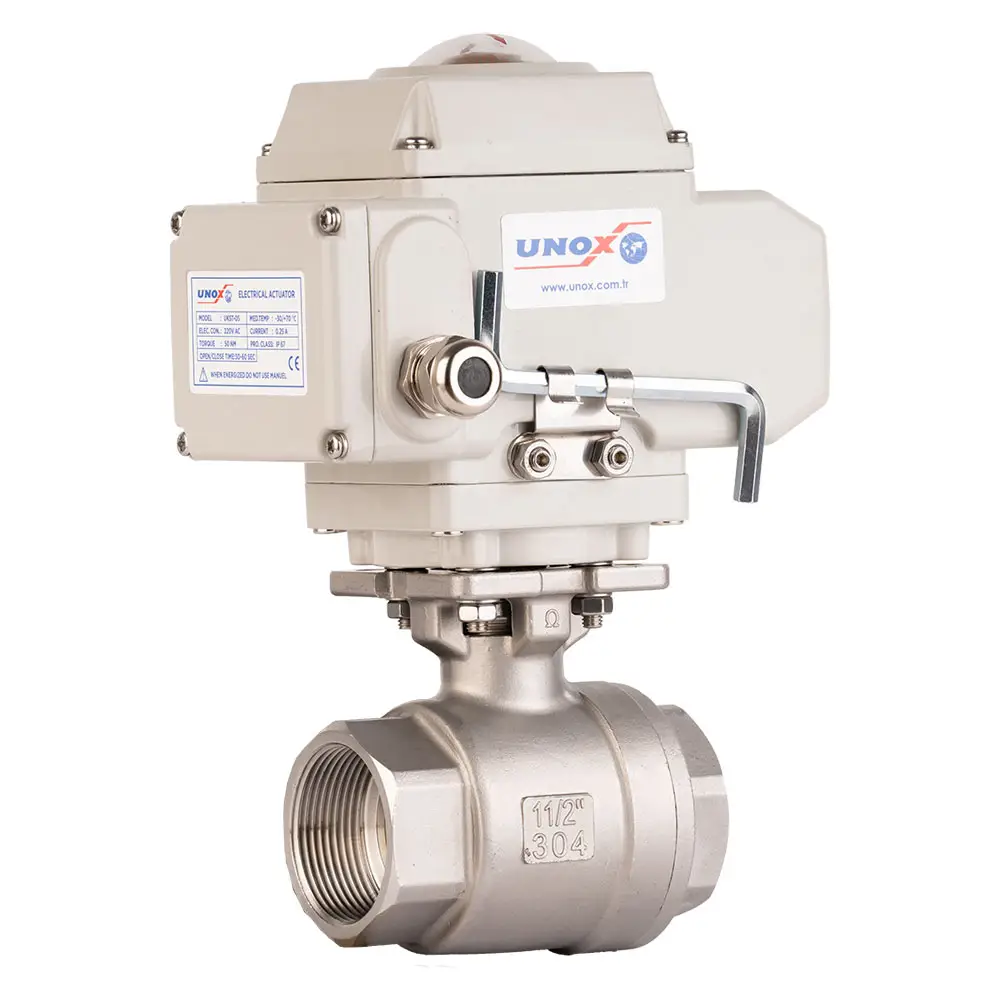
End-of-line valve systems (Exproof actuators, automatic blowdown valves, bottom blowdown valves, piston knife valves, surface blowdown valves, boiler automation systems, proportional steam valves, knife valves, proportional valves, Exproof valves, and steam valves) play a critical role in optimizing fluid control in industrial facilities. These systems provide safe operation in process lines operating under high pressure and temperature. Selecting the right valve is of great importance in terms of production efficiency, safety, and sustainability.
What is the basic function of end-of-line valve systems?
End of line valve systems are used to provide sealing and prevent backflow at the points where the fluid line is terminated. These systems are also preferred to control back pressure that may occur in the process line. For example, the use of
One of the most preferred products in end-of-line valve systems is piston-operated knife gate valve models. These valves provide effective control, especially in high-viscosity fluids or media containing particles. Thanks to the knife mechanism that opens and closes linearly across the pipeline cross-section, tight sealing is ensured and overall system performance is improved.
The importance and applications of Ex-proof actuators
In industrial environments where explosive gases are present, Ex-proof actuators used in valve control systems play a vital role. Despite being electrically operated, these devices are designed to prevent sparking, thereby eliminating the risk of explosion and enhancing operational safety.
Ex-proof valves, especially preferred in refineries, chemical plants, and natural gas stations, work in conjunction with Ex-proof actuators to provide continuous automation. These systems are synchronized with the process line check valve to achieve maximum efficiency along the pipeline.
Boiler efficiency with automatic blowdown systems
The sludge and sediment that accumulate in boilers reduce system efficiency and can damage equipment. This is where automatic blowdown valves come into play. By regularly discharging water from the system, the formation of deposits is prevented. Thanks to automation, this process can be carried out consistently without operator intervention.
Bottom blowdown valves are used to remove heavy particles that accumulate at the bottom of boilers, while surface blowdown valves discharge foam and other light substances that form at the top of the water. Working together, these two systems provide balanced cleaning within the boiler and minimize energy loss.
The role of proportional control in steam systems
In steam lines, the flow needs to be controlled with high precision. This is where proportional steam valves come into play. Unlike traditional on/off valves, proportional valves adjust the fluid flow gradually, ensuring that temperature and pressure remain stable throughout the process.
Proportional valve systems perform automatic adjustments when integrated with PID control systems. They are particularly important in industries requiring precise temperature management, such as food, textile, and petrochemical sectors. Additionally, when used together with Ex-proof valves, they provide both precise control and enhanced safety.
Integration of boiler automation systems
In modern industrial plants, all these valve systems work in synchronization with central boiler automation systems. Thanks to these systems, operators can provide all control from a single panel. Parameters such as boiler pressure, water level, blowdown processes and steam output can be monitored instantly.
When the automation system works integrated with end-of-line valve systems, energy efficiency increases. At the same time, unexpected failures are detected in advance and downtime is reduced. In lines equipped with sealed valve systems, automation control is carried out much more effectively.
Durability and sealing performance of steam valves
Steam valves offer long-lasting solutions in lines exposed to high temperature and pressure. Especially valves with cast body, stainless steel internal mechanism and high sealing properties should be preferred. Steam valves are usually integrated into end-of-line valve systems and prevent energy leakage.
Unox steam valve solutions provide high performance in harsh environments. The preference of these valves in many sectors, from the food industry to chemical plants, ensures stable operation of the system. At the same time, these valves, together with safety valve systems, increase safety on the line.