Blog
Stainless Control Valve Technical Details


The technical details of stainless control valves are critical for industrial facilities. These valves can be safely used in demanding processes due to their high resistance to temperature and pressure. However, the appropriate model must be selected for each application. Incorrect valve selection can lead to serious malfunctions and production losses. Therefore, both technical specifications and proper matching within the product range are of great importance.
Integration of Exproof Actuators with Control Valves
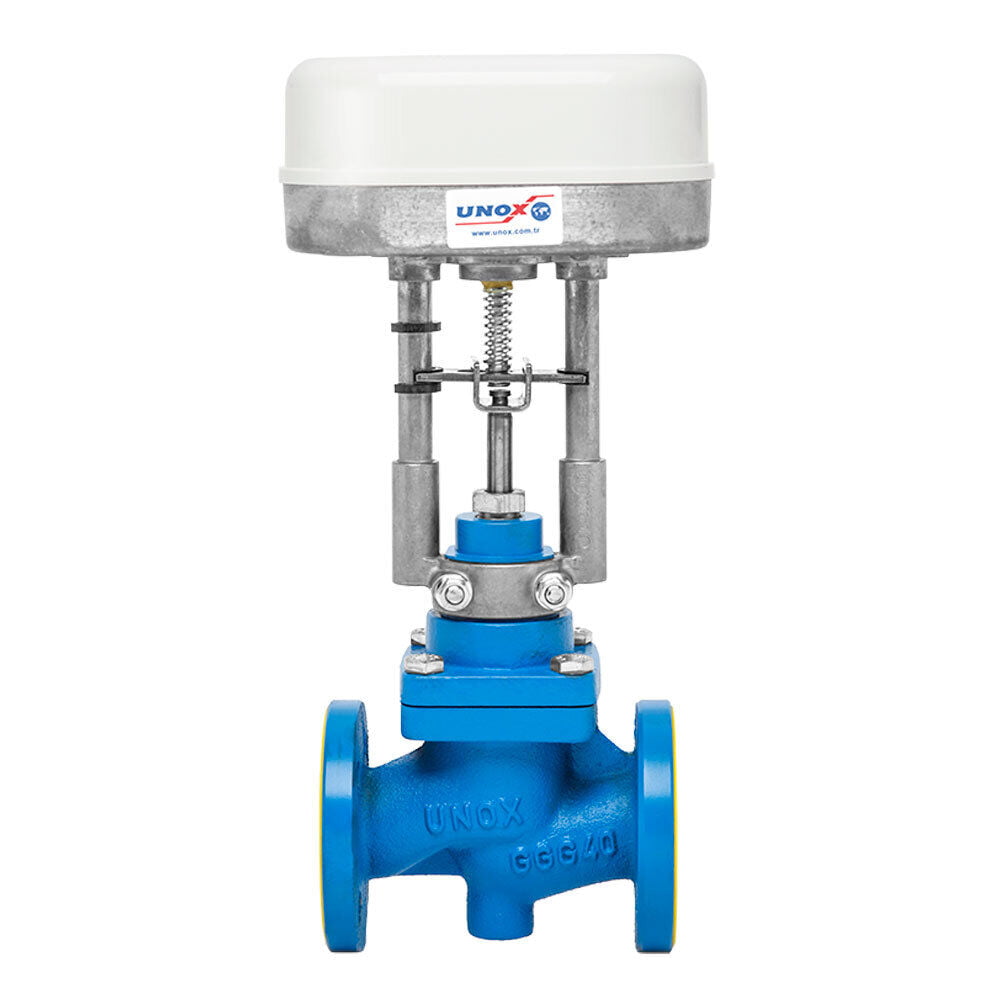
Exproof actuators ensure safe operation in explosive environments. These actuators can be integrated with stainless control valves to achieve both safety and automation objectives. Additionally, they offer remote control capabilities, minimizing operator intervention. These systems are particularly used within stainless valve system solutions. Moreover, actuator protection becomes critical in areas with high temperature and humidity. At this point, selecting the correct Exproof protection class is essential.
Achieving Energy Savings with Automatic Blowdown Valves
Automatic blowdown valves automatically discharge accumulated sludge in boiler systems. This increases energy efficiency and extends equipment lifespan. In particular, the stainless valve manufacturing process and quality standards ensure long-term durability of these valves. However, the choice between proportional or on-off control structure should be made according to the system design. Additionally, if there are sudden pressure fluctuations in the blowdown line, piston-type systems are recommended.
Reducing Scale Formation in Boilers with Bottom Blowdown Valves
Bottom blowdown valves are used to discharge sludge accumulated in the lower part of the boiler. These valves significantly reduce the amount of sediment in the system, thereby extending boiler life and lowering maintenance costs. They are typically integrated with stainless steel gate valve features. Additionally, the blowdown frequency is determined based on the system’s water analysis. This ensures both water quality is maintained and energy loss is minimized.
The Importance of Piston Knife Valves for Viscous Fluids
Piston knife valve models are effective for controlling dense and fibrous fluids. These valves particularly reduce the risk of clogging in muddy or particle-laden fluids. At the same time, the appropriate flange or clamped structure should be selected, taking into account stainless valve connection types. Additionally, in high-pressure lines, the type of actuator directly affects performance. Pneumatic piston systems provide more stable operation in such cases.

Creating an Upper-Level Control Mechanism with Surface Blowdown Valves
Surface blowdown valves remove foam and oil deposits from the upper level of the boiler. This increases heat transfer efficiency and enhances system performance. These products, particularly among stainless valve models, offer easy installation in confined spaces due to their compact design. Additionally, a proportional control structure is recommended for system automation. This allows precise balancing of water level and density.
Enhancing Process Safety with Boiler Automation Systems
Boiler automation systems provide continuous monitoring of the process and data-based intervention. Stainless steel control valve integration plays a critical role in these systems. Especially temperature and pressure sensitive sensors and valve position should be synchronized. Thus, maximum safety is ensured during the operation of the boiler. In addition, a cost analysis of the system should be made by examining
Optimizing Temperature Control Using Proportional Steam Valves
A proportional steam valve allows the steam flow to be adjusted gradually. This type of control helps maintain stable temperature values in processes. At the same time, it can respond quickly to sudden load changes in the system. This feature minimizes energy consumption. Proportional valves are generally considered within the scope of

The Impact of Knife Valve Systems on Fluids Containing Solid Particles
Knife valves, with their cutting design, prevent clogging in fluids containing particles. These valves are commonly used in paper, cement, and wastewater facilities. Their compact structure also saves space within the plant. Such valves are considered reliable solutions within stainless valve system applications. Additionally, easy actuator connection reduces maintenance time, providing an advantage for production continuity.
Enhancing Flow Precision with Proportional Valve Systems
Proportional valve systems offer high precision in the control of liquid and gaseous fluids. These systems adjust the valve opening gradually depending on the proportional signal. In this way, fluid pressure and flow rate remain constant. In addition, these valves, which are among the
Enhancing Safety Standards with Exproof Valves
Exproof valves provide safe flow control in environments containing flammable gases and dust. These valves increase occupational health and safety by being used in lines with explosion risk. At the same time,
Pressure and Temperature Resistance of Steam Valves
Steam valves are used to control the flow of steam at high pressure and temperature. These valves are generally preferred in boiler systems, heating lines and steam processes. In such applications, valve safety is guaranteed thanks to