



Blog
Can a check valve fail?

Can a Check Valve Fail? You can find all the signs, causes, and solutions for a failing check valve below.
Failure Symptoms:
- Reverse water flow: When a check valve fails, the fluid can flow in the opposite direction, which may cause pressure fluctuations and damage in your system.
- Leaks: Leakage from the check valve can lead to increased water bills and water damage.
- Noisy operation: A faulty check valve can produce loud and disturbing noises.
- Low water pressure: When a check valve does not function properly, water pressure can drop, affecting the performance of your household appliances and faucets.
Causes of Failure:
- Wear and tear: Check valves can wear out over time, which may lead to leakage or failure.
- Contamination: Dirt and debris in your plumbing can prevent the check valve from closing properly, causing leaks.
- Damage: A check valve can be damaged due to accidental impact or excessive pressure.
- Incorrect sizing: A check valve that is improperly sized may not function correctly, leading to leaks or failure.
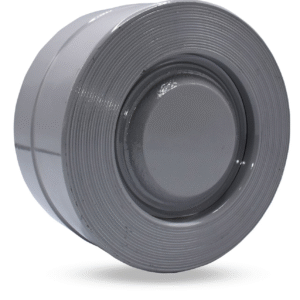


What is a Check Valve and What is Its Purpose? Click here for more detailed information.
How to Fix a Failing Check Valve:
- Diagnose the source of the problem: The first step is to identify the cause of the issue. Check for leaks, measure the water pressure, and listen for any unusual noises from the check valve.
- Clean the check valve: A dirty check valve can often be fixed by cleaning it. Use a plumbing cleaner and water to remove any buildup around the valve.
- Repair the check valve: If the check valve is slightly damaged, it can be repaired. The repair process depends on the type of check valve.
- Replace the check valve: If the check valve is worn, damaged, or incorrectly sized, it should be replaced. Make sure to choose a new check valve of the correct type and size.
Tips for Extending Its Lifespan:
- Regular maintenance: Inspect your check valve at least once a year and clean it if necessary.
- Monitor water pressure: Ensure that the water pressure in your plumbing system is not too high.
- Choose a high-quality check valve: Pick a valve that is durable and built to last.
- Seek help from a professional plumber: If you experience any issues with your check valve, don’t hesitate to get assistance from a plumber.