



Blog
Smart Valve Systems in Industrial Facilities: Is AI-Powered Process Control Possible?

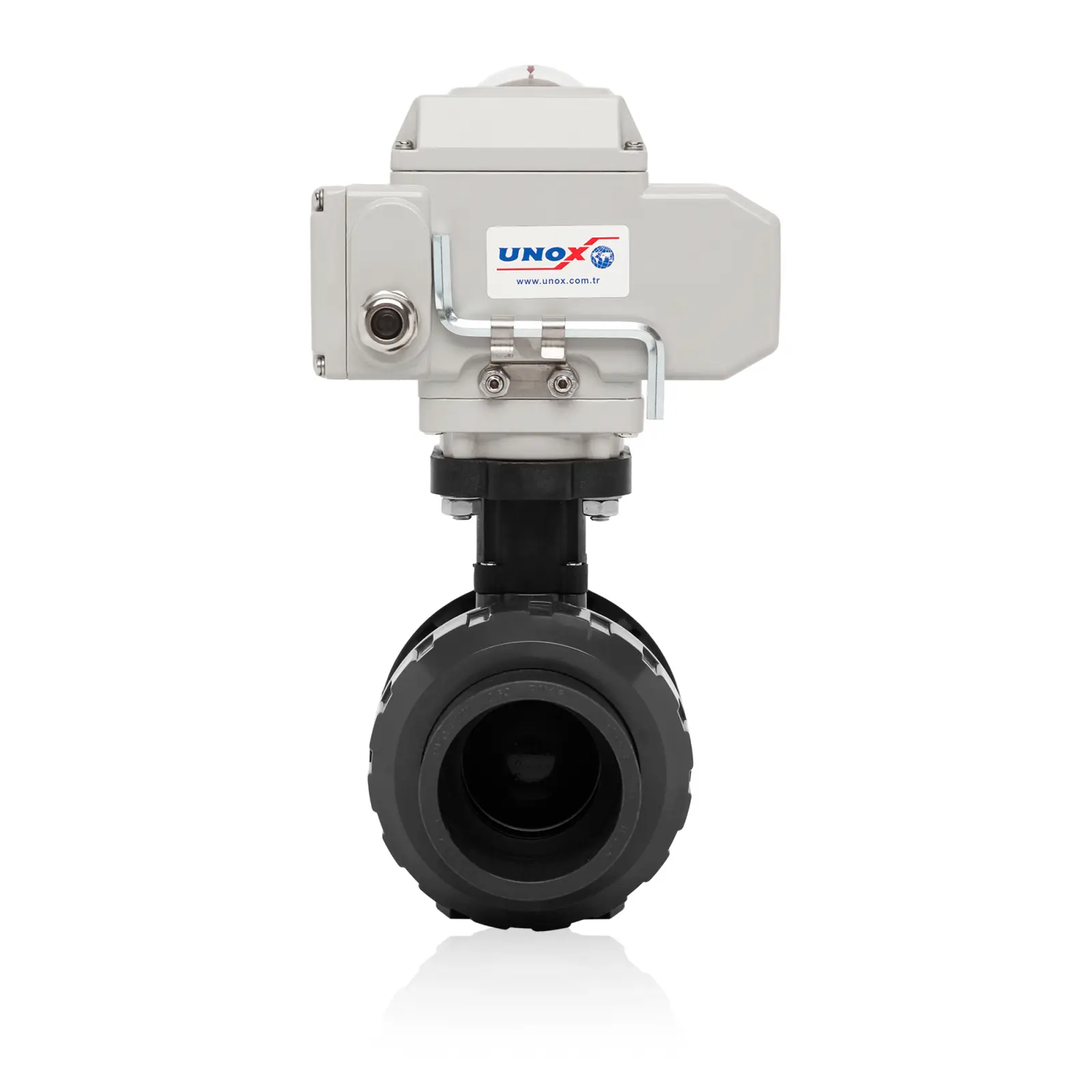
Production processes in industrial facilities are becoming increasingly complex. Many variables such as pressure, temperature, flow rate, and energy consumption need to be controlled simultaneously. At this point, traditional automation systems alone are no longer sufficient.
The emerging approach in recent years raises the following question: Are smart valve systems and AI-powered process control really possible?
Short answer: Yes, it is possible and is becoming increasingly common. However, this transformation represents much more than simply replacing valves.
What Is a Smart Valve System?
A smart valve system is not just a device that performs on/off operations; it is an integrated system that works with sensors, actuators, control units, and data analytics software.
These systems:
- Collect real-time data,
- Analyze process variables,
- Automatically adjust valve positions,
- Optimize system performance,
As a result, the valve evolves from a passive piece of equipment into an active control element.
How Is Artificial Intelligence Used in Valve Systems?
Artificial Intelligence (AI) is used in industrial valve systems, particularly in the following areas:
1. Process Optimization
AI algorithms analyze historical data to determine the most efficient operating conditions. As a result, flow, pressure, and temperature values are continuously optimized.
2. Predictive Maintenance
Sensor data is continuously monitored, and warning signs are detected before a failure occurs. For example:
- Leakage issues,
- Decline in actuator performance,
- Abnormal pressure fluctuations,
This approach significantly reduces unplanned downtime.
3. Energy Optimization
AI prevents the system from operating more than necessary. Pump and compressor loads are optimized, thereby reducing energy consumption.
Industrial Advantages of Smart Valve Systems
1. Lower Energy Consumption
Thanks to real-time control, unnecessary flow and pressure losses are reduced.
2. Reduced Operator Intervention
As the system can self-adjust, the need for manual intervention is reduced.
3. Longer Equipment Lifespan
Thanks to stable and optimized operating conditions, mechanical stress is reduced.
4. Higher Process Stability
Fluctuations are minimized, thereby improving production quality.
Industry 4.0 and Smart Valves
Smart valve systems are one of the key components of Industry 4.0. In particular:
- PLC systems,
- SCADA infrastructure,
- IoT sensors,
- Cloud-based data analytics,
work together to provide full digital control.
This structure enables facilities to become not only automated but also learning systems.
Can It Really Be Fully Implemented?
In theory, smart valve systems and AI integration are fully feasible. However, in practice, there are some challenges:
- Need for retrofitting existing facilities,
- Insufficient data infrastructure,
- Sensor costs,
- System integration complexity,
For this reason, many facilities use semi-intelligent hybrid systems instead of fully AI-driven solutions.
Future Perspective
In the coming years, valve systems will evolve in the following direction:
- Self-optimizing processes,
- Cloud-based valve management,
- Digital twin simulations,
- Autonomous industrial facilities,
In this transformation, valves will no longer be just pieces of equipment, but system components that generate data and support decision-making.
Conclusion
Smart valve systems and AI-powered process control are no longer technologies of the future; they are gradually becoming the industrial standard of today.
With a properly designed system:
- Energy costs can be reduced,
- Production efficiency can be increased,
- Maintenance costs can be reduced,
In short, AI-supported valve systems are not only feasible but are also becoming increasingly inevitable.