
Blog
The Silent Heroes of Industrial Facilities: Critical Valves That Go Unnoticed

When people think about the components that keep an industrial facility operating efficiently and safely, they usually think of pumps, compressors, boilers, or automation systems. However, one of the most essential yet often overlooked components that ensure these systems operate continuously and reliably is the valve.
Valves play a fundamental role in production processes by ensuring that fluids are delivered at the right time, in the right quantity, and at the correct pressure. Although they often go unnoticed during day-to-day operations, these components become critically important when a failure occurs, with the potential to disrupt an entire production line. For this reason, it is fair to describe valves as the “silent heroes” of industrial facilities.
Why Are Valves So Critical?
A valve is far more than a mechanical device that simply opens or closes the flow. In modern industrial facilities, valves are responsible for:
- Ensuring precise control over production processes.
- Balances pressure and flow rate.
- Supports worker safety.
- Protect equipment against risks such as overpressure and backflow.
- Contributes to improving energy efficiency.
In short, even a single malfunctioning valve can negatively impact many processes, from production quality to energy consumption.
Critical Valve Types That Most People Overlook
Check Valve
Check valves are safety components that allow flow to move in only one direction. In pump systems, they prevent backflow, protecting equipment from damage and helping to avoid production losses.
Especially in water, steam, and chemical processes, a small check valve failure can lead to significant maintenance costs.
Safety Valves
Safety valves, which prevent pressure from exceeding the specified level, are among the most critical components of plant safety.
Thanks to these valves;
- The winners are protected.
- Damage to pipelines is prevented.
- The risk of explosion is reduced.
- Worker safety is enhanced.
Because they are typically activated only in emergencies, their presence often goes unnoticed; however, they become critical when they are needed most.
Control Valves
Control valves, one of the most critical components of automation systems, continuously regulate process variables such as temperature, pressure, and flow rate.
Even a minor calibration error in a control valve can…
- to fluctuations in product quality,
- to unnecessary energy consumption,
- to a decrease in production capacity,
- to unplanned downtime,
can cause.
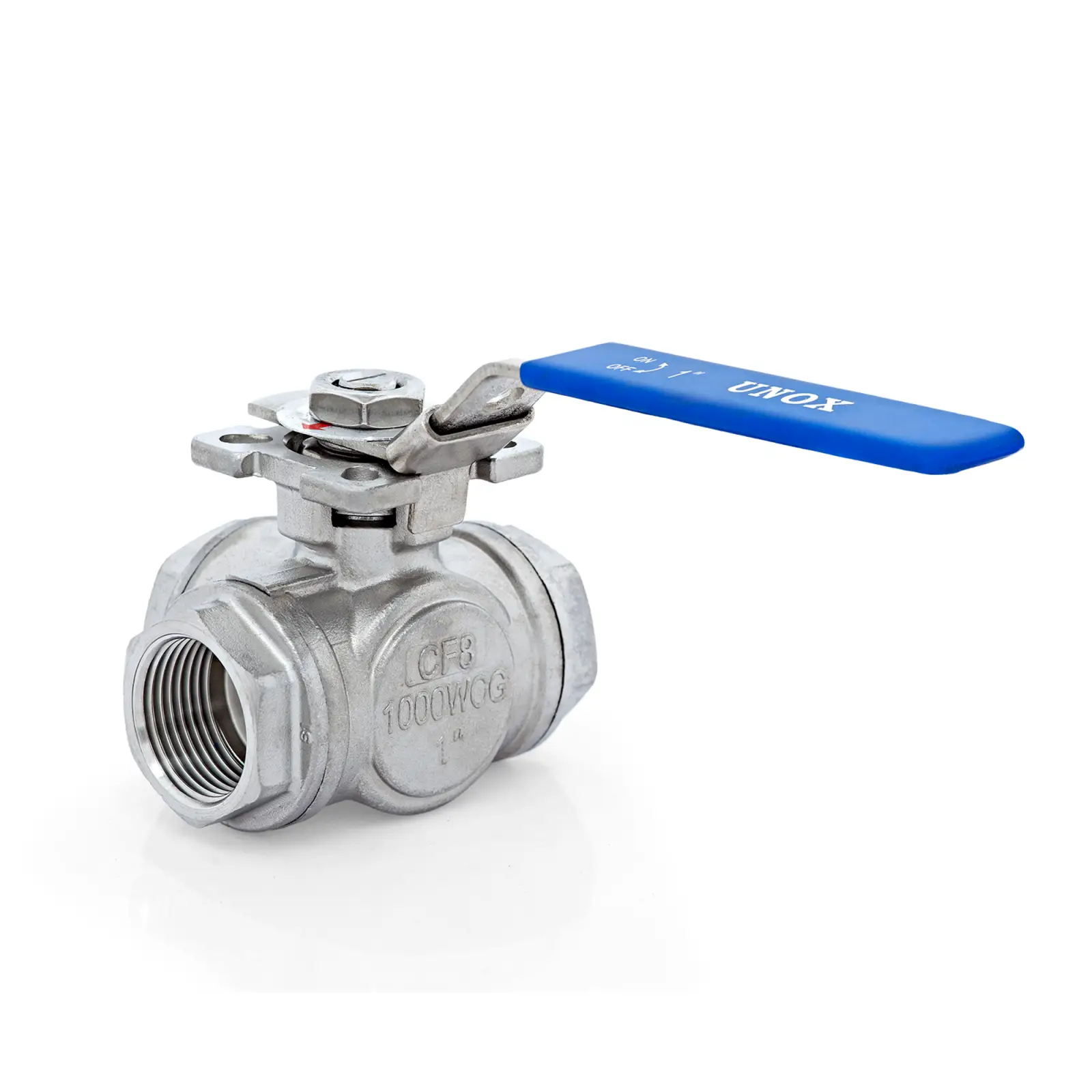
Ball Valves
Ball valves, offering high reliability thanks to their simple design, are preferred in many facilities due to their ease of maintenance and fast opening and closing capabilities.
A properly selected ball valve can operate reliably for many years without any issues.
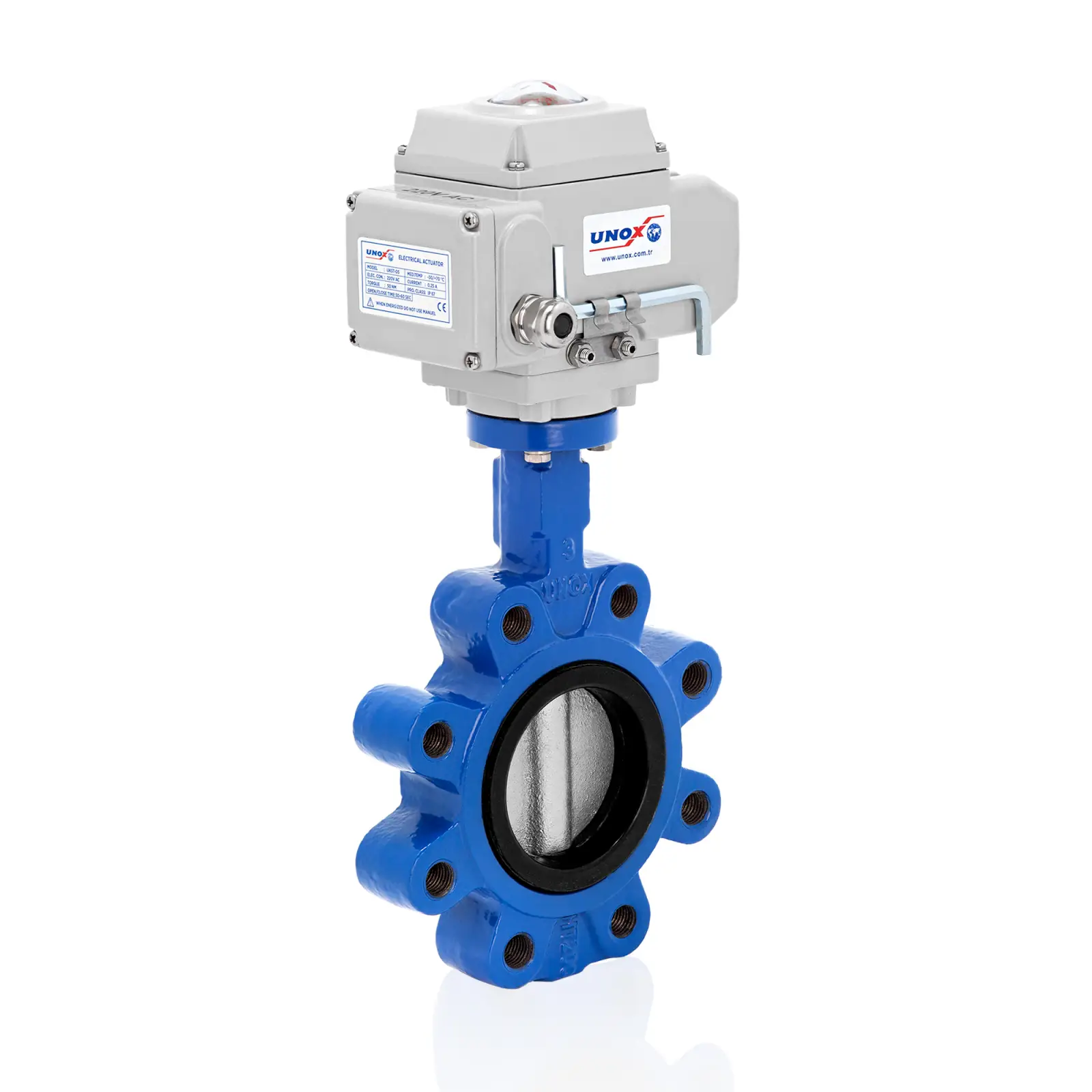
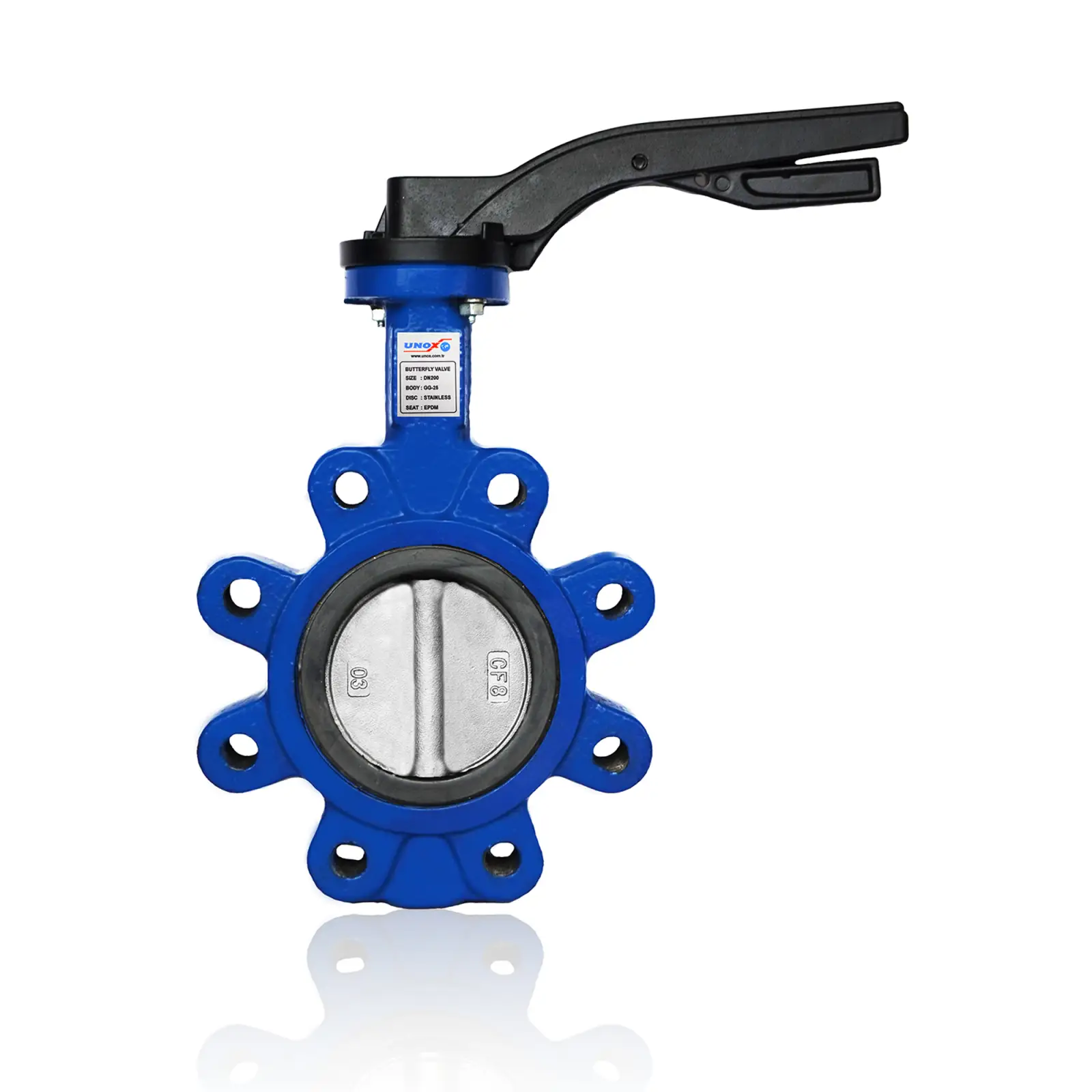
Butterfly Valves
Butterfly valves, frequently used in large-diameter pipelines, provide advantages in both installation and operating costs thanks to their low weight and compact design.
They play an important role in many different applications, from water treatment plants to HVAC systems.
Why Does a Valve Failure Lead to a Chain of Problems?
In industrial facilities, all equipment operates in an interconnected manner. Therefore, a failure in a single valve can…
- to a shutdown of the production line,
- to product losses,
- to excessive energy consumption,
- to pump damage,
- to increased maintenance costs,
- to delivery delays,
can cause.
This chain reaction often results in economic losses far greater than the cost of the faulty valve itself.
What Should Be Done to Maintain the Performance of These Silent Heroes?
Regular maintenance and the correct selection of equipment are crucial for ensuring that valves operate reliably and have a long service life.
The key points that businesses should pay attention to are as follows:
- Selecting a valve suitable for the process conditions.
- Creating periodic maintenance plans.
- Performing regular leak tightness checks.
- Testing actuators and automation systems at regular intervals.
- Replacing worn parts before failure occurs.
- Monitoring operational data to track performance changes.
Planned maintenance practices prevent unexpected downtime while also extending equipment lifespan.
Conclusion
Success in industrial facilities is not achieved solely through large and prominent equipment. Valves, which ensure the safe, efficient, and uninterrupted operation of production processes, are often unseen yet critical components.
Properly selected, correctly positioned, and regularly maintained valves increase production continuity, support energy efficiency, and reduce operational costs.
Therefore, evaluating valves not merely as pipeline components but as strategic elements that directly affect plant performance is an important step toward sustainable and reliable production.